Reading Classical Chinese Literature to Cultivate a Humble Gentleman - "Disciples' Regulations" and Modern Enterprise Management
2016-04-26
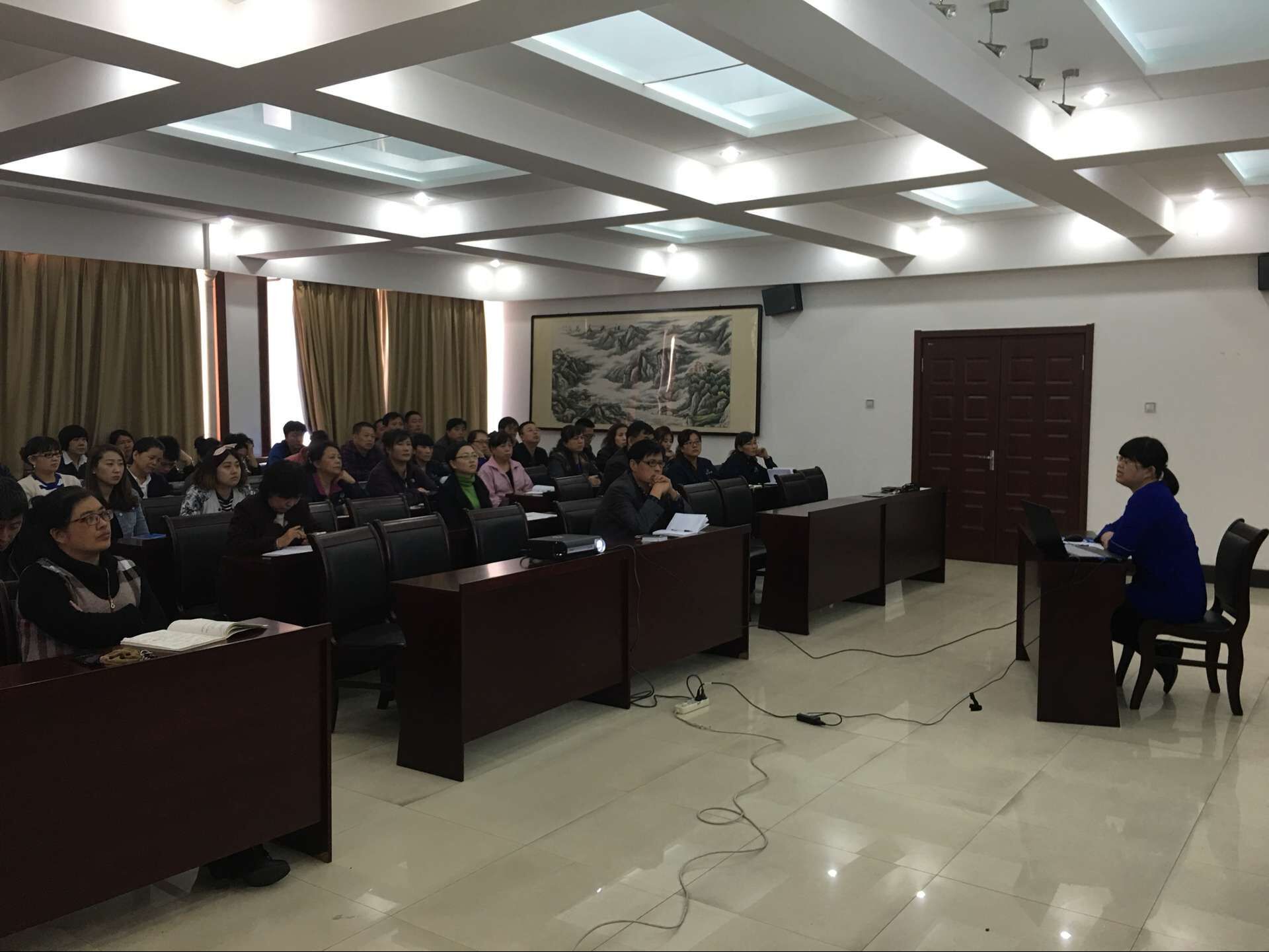
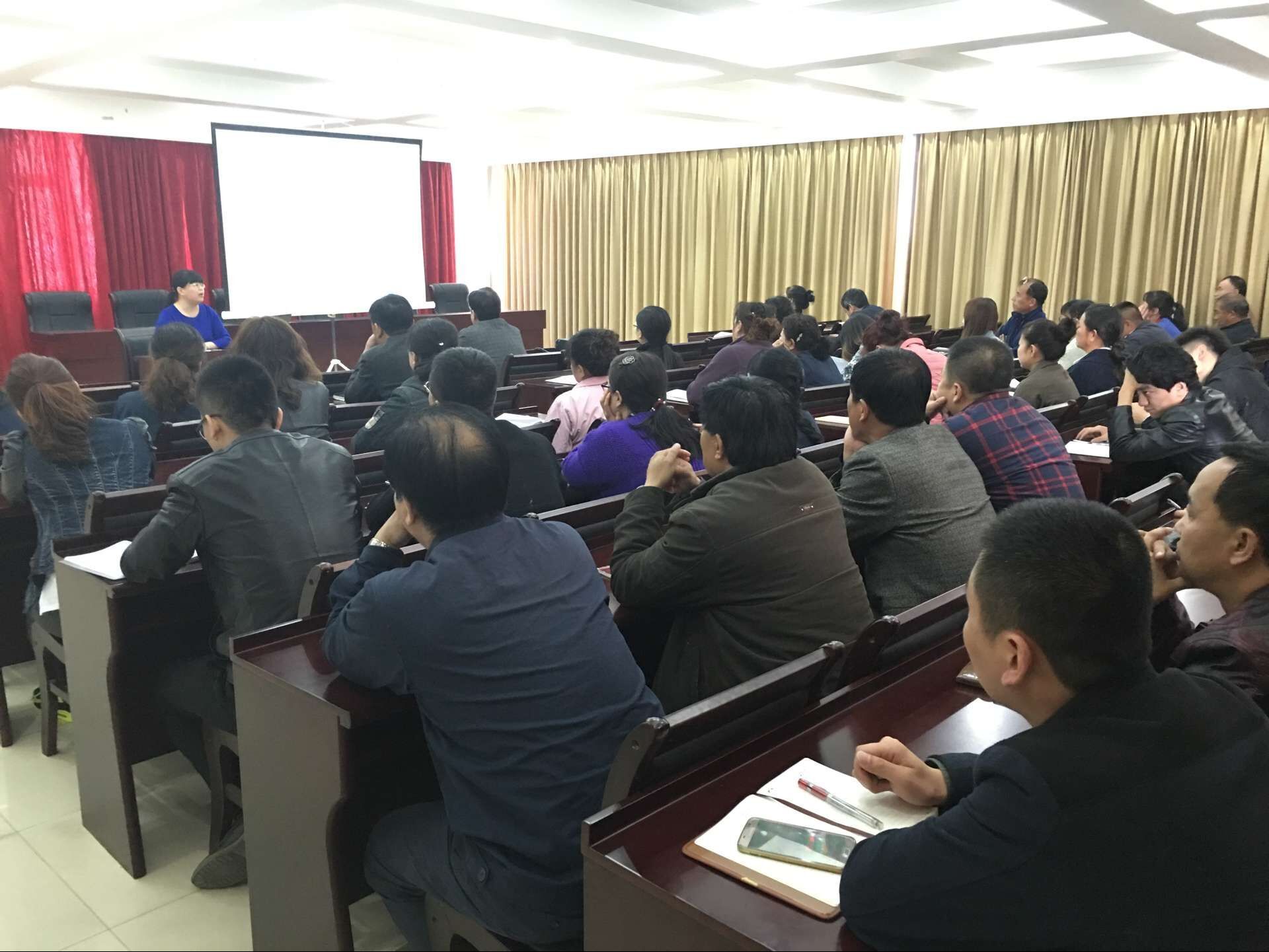
On April 22, 2016, at 3 PM, the company organized a study session for all employees to learn about the "Disciple's Rules" and its relevance to modern enterprise management. The HR department presented it from a unique perspective and in simple language, explaining how to integrate the Disciple's Rules into contemporary corporate management in the context of the new era, and how to combine Confucian traditional moral concepts with corporate culture for steady growth and development.
During the training, it was clarified why we should learn the Disciple's Rules: because it emphasizes the importance of cultivating proper virtues first. This includes filial piety, brotherly respect, propriety, benevolence, loyalty, etc. The main points are to set aspirations and take action. To aspire to be a certain kind of person or do certain things, one must read appropriate books and follow suitable paths. Without aspirations, studying becomes aimless and has little effect on improving one's abilities or personal cultivation. Additionally, one must take action; if moral principles remain only verbalized without practice, they become mere pretenses of virtue. The text advises against waiting until one has learned everything before putting it into practice; instead, one should act on what they learn as they go along. Few people manage this well; if we could achieve this, our knowledge and moral cultivation would greatly improve.
The "Disciple's Rules" begins with "filial piety," stating that among all virtues, filial piety is paramount; it is fundamental to being human. We should always maintain a heart of gratitude towards our parents, our company, our leaders, our colleagues, and our clients. Parents may not provide us with wealth, status, fame, luxurious homes or beauty but they give us the most precious thing in the world: our lives. Our parents have worked hard to raise us and care for us while teaching us how to be good people; we must learn to be grateful towards them. We should also appreciate our leaders; have we considered that it is due to their dedicated efforts that the company has achieved its current development? The company provides us with job opportunities; employees should always carry a heart of gratitude. Of course, leaders should also express appreciation for employees' contributions and wealth creation for the company. When both parties maintain gratitude towards each other there will be less anxiety over gains and losses or feelings of alienation; instead there will be mutual understanding and support which can resolve many issues easily. If we approach work each day with a grateful heart then naturally our mood at work will be pleasant and positive leading to strong motivation and a sense of achievement which will increase our happiness.
The "Disciple's Rules" also elaborates on moral norms such as brotherly respect and trustworthiness individually; these are words from sages representing the essence of national culture as well as humanity's highest wisdom—they are also a guidebook for our life and work. "To compete for the world one must first win people's hearts; to win hearts one must first cultivate oneself; to govern others one must first govern oneself." Therefore self-discipline is paramount for managers who need to 'investigate things.' Thus we should use the "Disciple's Rules" as a mirror—regularly reflecting on ourselves—to identify shortcomings so that we can gradually improve ourselves. Opening up our hearts will lead us to true happiness where families live harmoniously together in society while enterprises thrive sustainably.